Front Row 50
The Front Row 50: who actually holds power in African fashion
Our annual ranking of the editors, executives and gatekeepers deciding who rises — and who waits.
By Front Row Staff
Lagos Fashion Week confirmed a two-city format for 2027, splitting its runway calendar between Lagos and Accra.
Nairobi label Zuri Atelier closed a $4 million round to scale its leather workshop. Here’s what the money buys.
The Front Row 50 is open for nominations — our annual ranking of who actually holds power in African fashion.
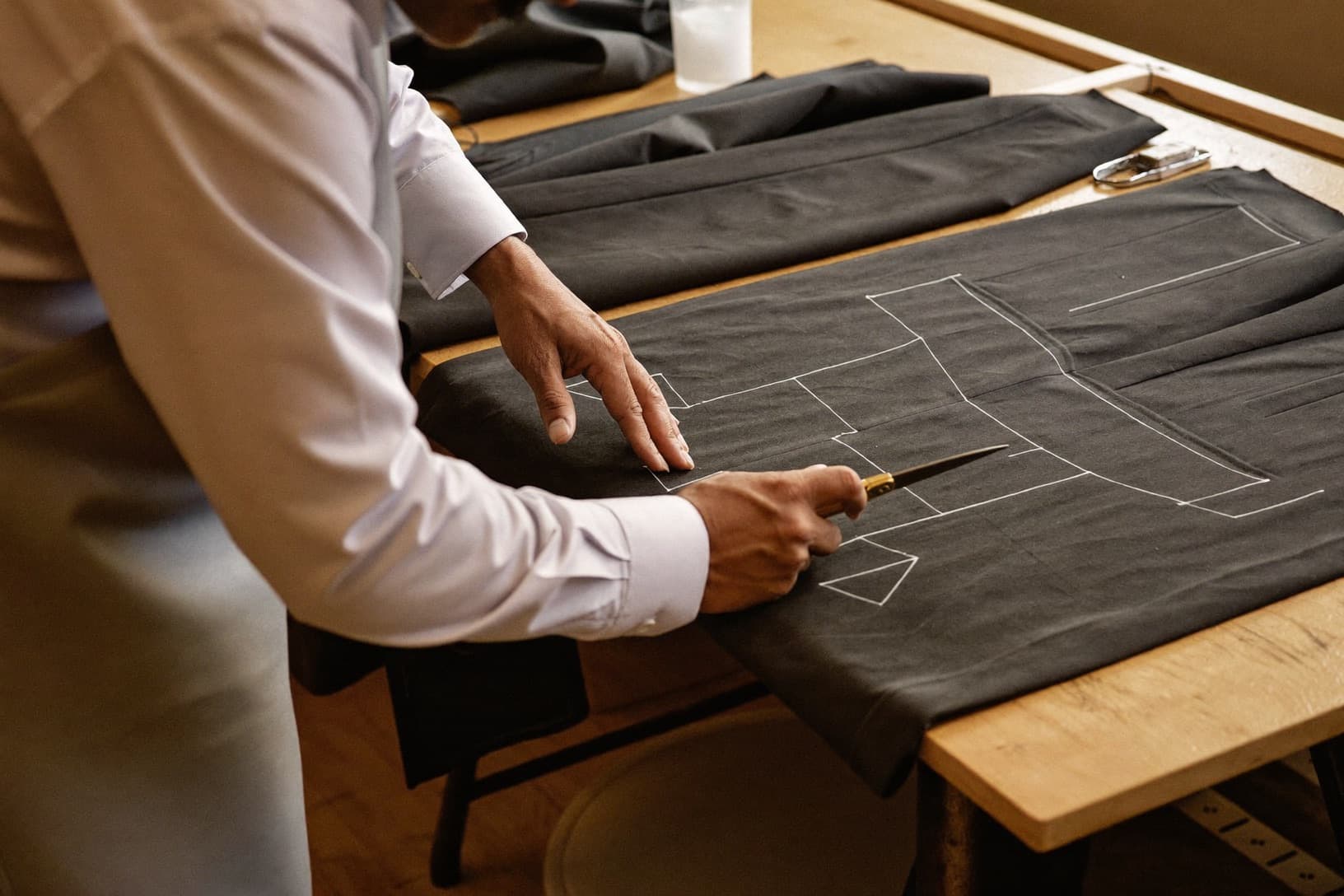
Dakar’s master tailors are booked through December. Inside the waitlist economy of bespoke suiting.
Ghana lifted its tariff on imported cotton yarn, a quiet win for Accra’s garment factories.
Front Row 50
Our annual ranking of the editors, executives and gatekeepers deciding who rises — and who waits.
By Front Row Staff
By Sefi Bello
By Kemi Eze
By Nadia Mensah
By Tola Adeyemi
By Chidera Nwosu
By Yusuf Diallo
By Zanele Dube

By Amara Okafor
By Kemi Eze

By Front Row Staff
The Front Row Podcast is our flagship interview show — long conversations with the designers, editors and executives shaping African fashion.
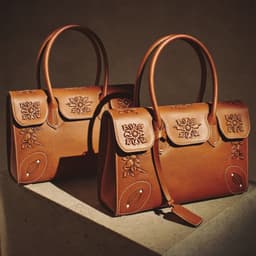
Thread Count follows the money in African fashion — markets, manufacturing, retail and the deals behind the collections.
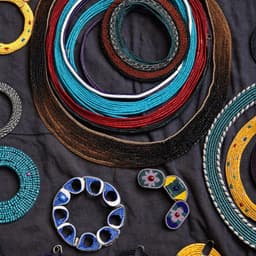
Pattern Language explores craft and culture — the weavers, dyers and beadworkers keeping heritage techniques alive.
The Fitting is our style-advice show. Send in a wardrobe question, get a stylist’s honest answer.
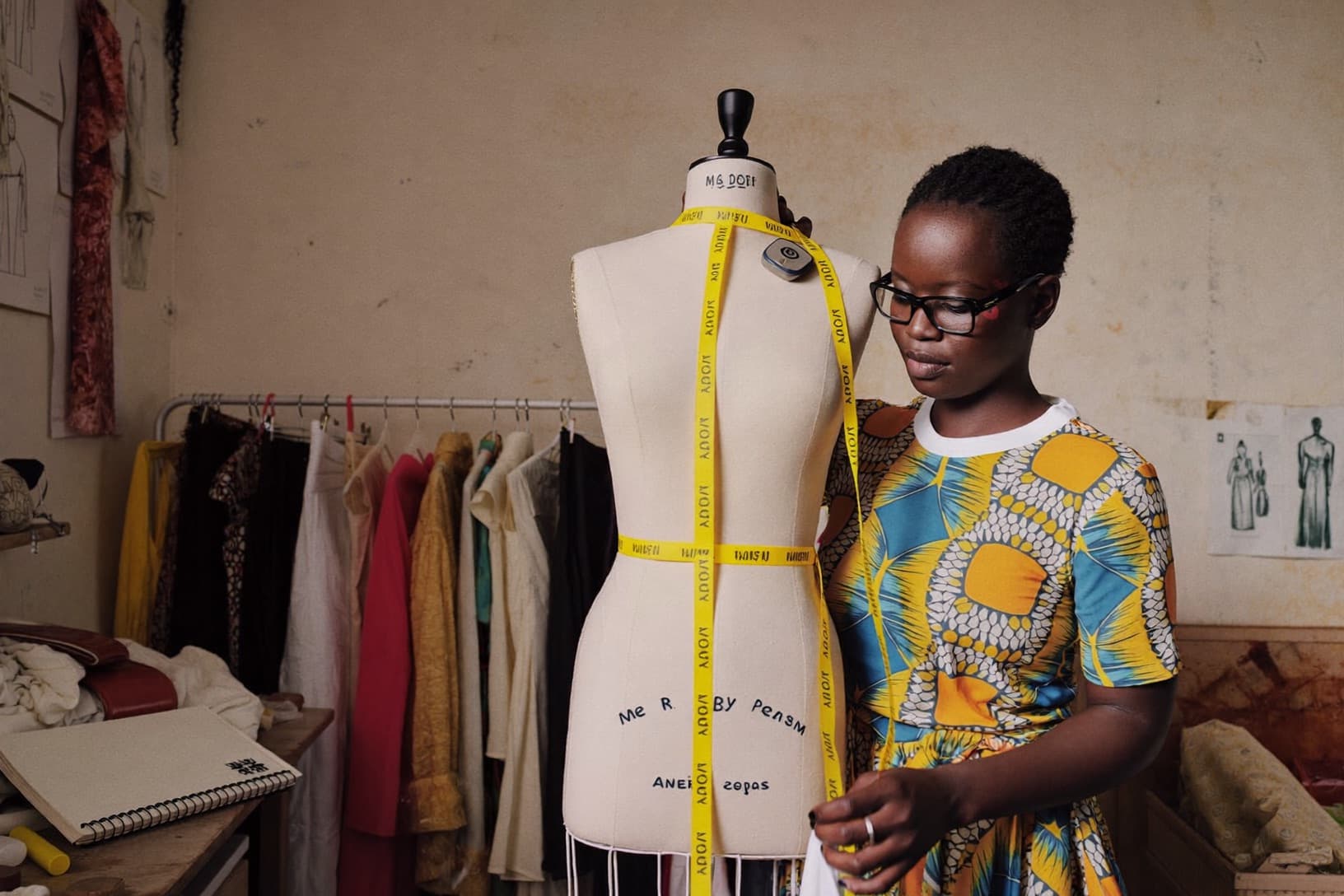
The Interview
Femi Aluko built a cult following from a two-room atelier in Surulere. He says the runway can wait.
By Amara Okafor
Power
Councils, prize juries and a handful of buyers still set the terms. A new generation wants a seat at the table.
By Tola Adeyemi
Front Row 50
The methodology behind our power ranking — and the arguments we had along the way.
By Front Row Staff

Power
Grant budgets doubled in two years. Designers say the checks haven’t.
By Yusuf Diallo
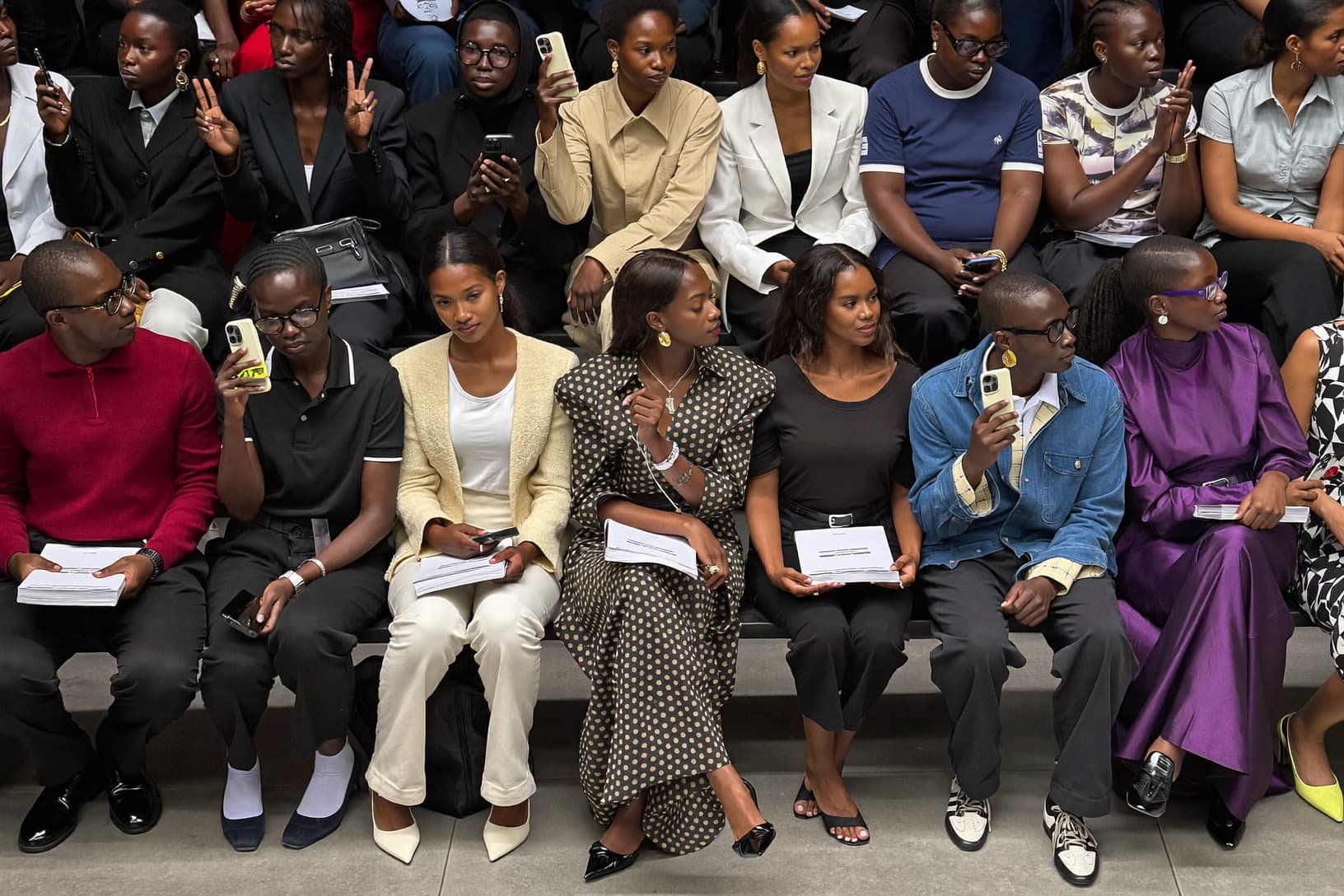
Explainer
Sponsors, schedules and city politics decide more than the clothes do.
By Chidera Nwosu
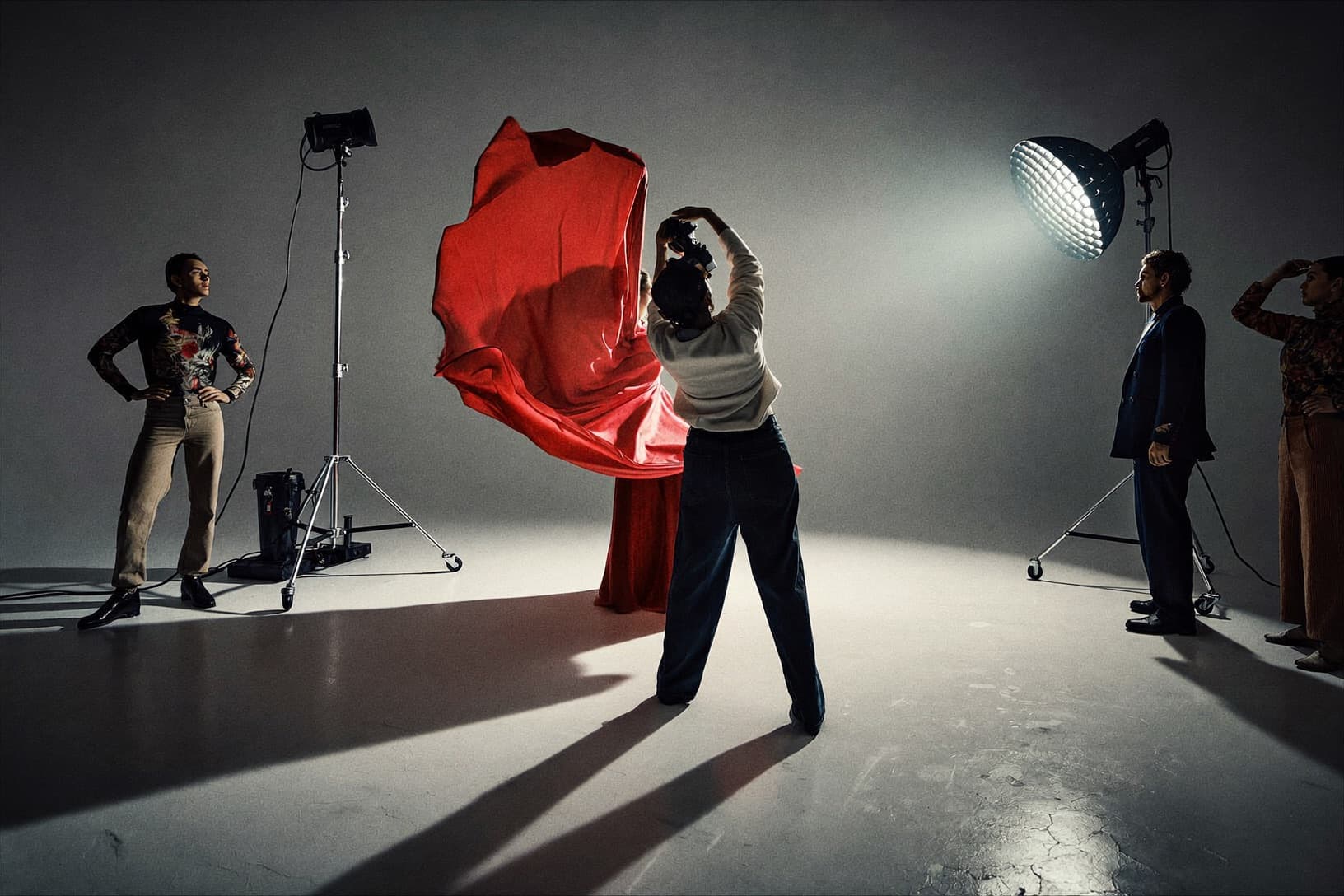
Culture
A generation of image-makers is defining how the continent sees itself — one editorial at a time.
By Nadia Mensah
Craft & Heritage

Culture
Craft & Heritage
Culture
The Memo
Market Watch
Venture money, family capital and grant funds — we tracked three years of deals to see who writes the checks.
By Amara Okafor
Business
Ghanaian ateliers are landing wholesale accounts that once went to Milan. The margins tell the story.
By Kemi Eze
Business
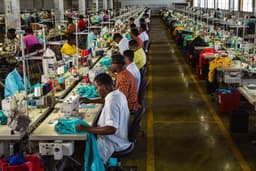
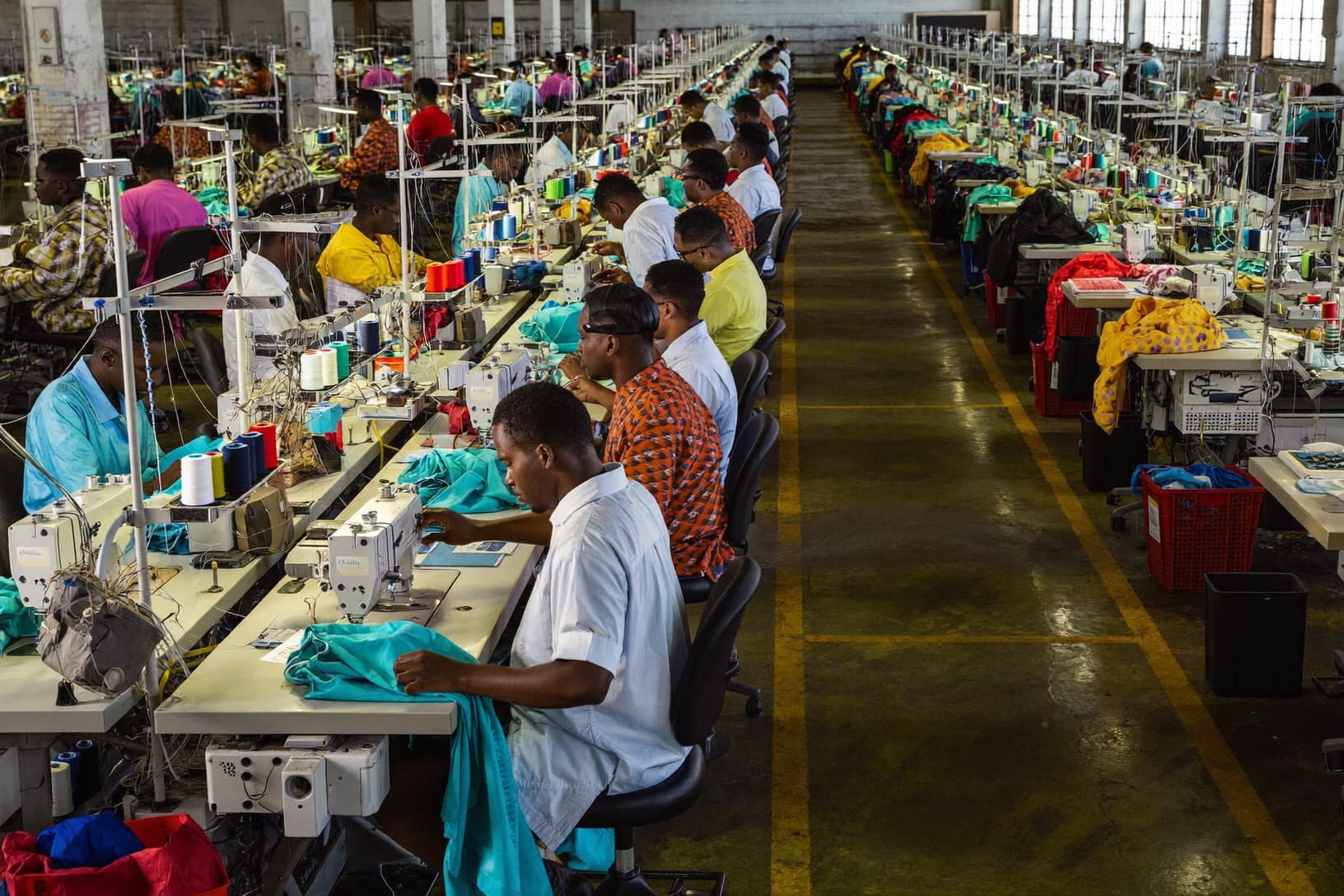
One Tema production floor now ships private-label orders to retailers in London, Dubai and São Paulo.
By Yusuf Diallo
Market Watch
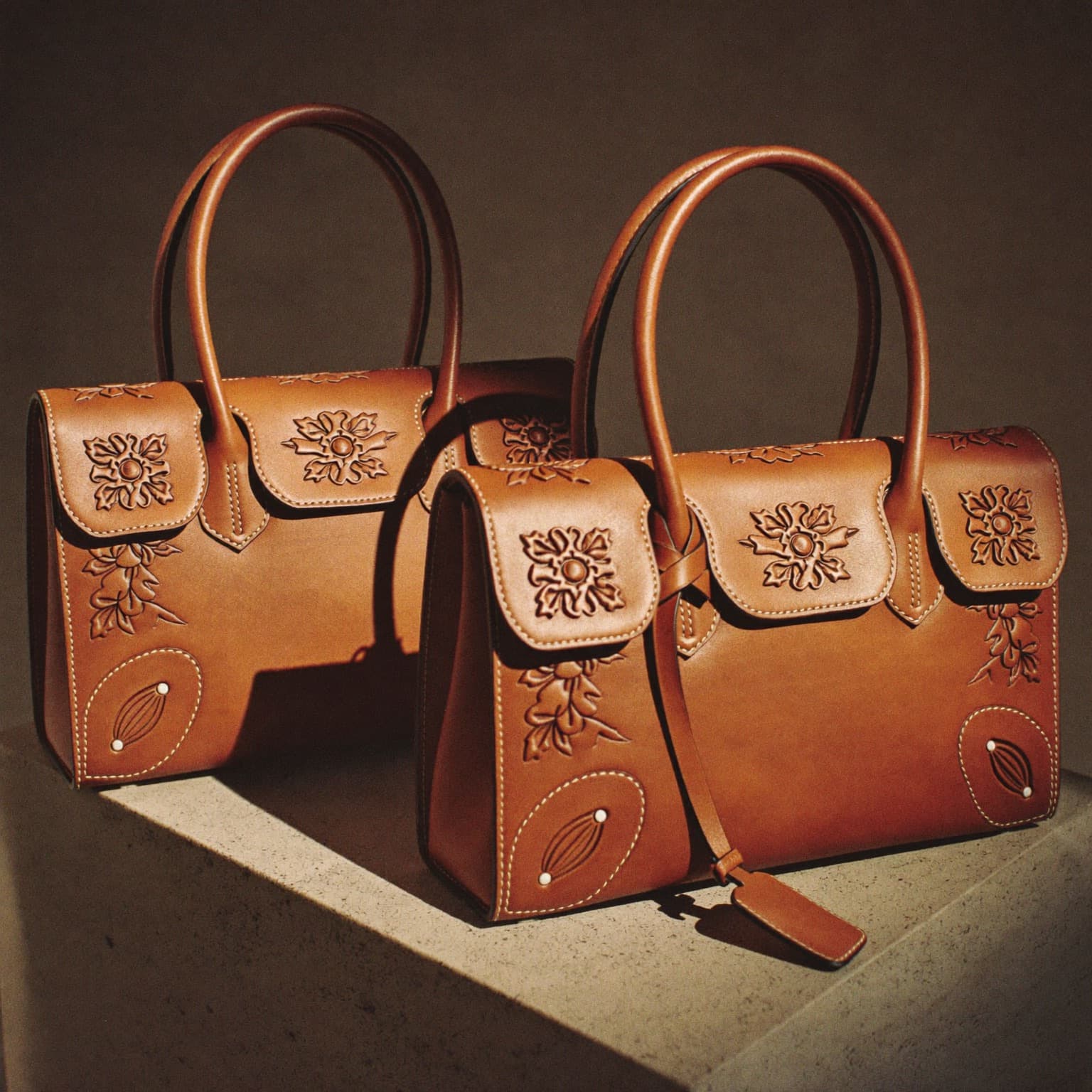
Tanneries from Kano to Addis are moving up the value chain — slowly, and against the odds.
By Zanele Dube
Front Row 50Aug 14
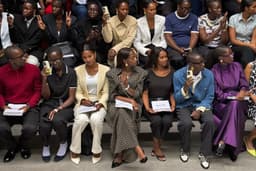
Our annual ranking of the editors, executives and gatekeepers deciding who rises — and who waits.
By Front Row Staff
Runway ReportAug 14
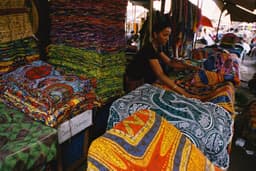
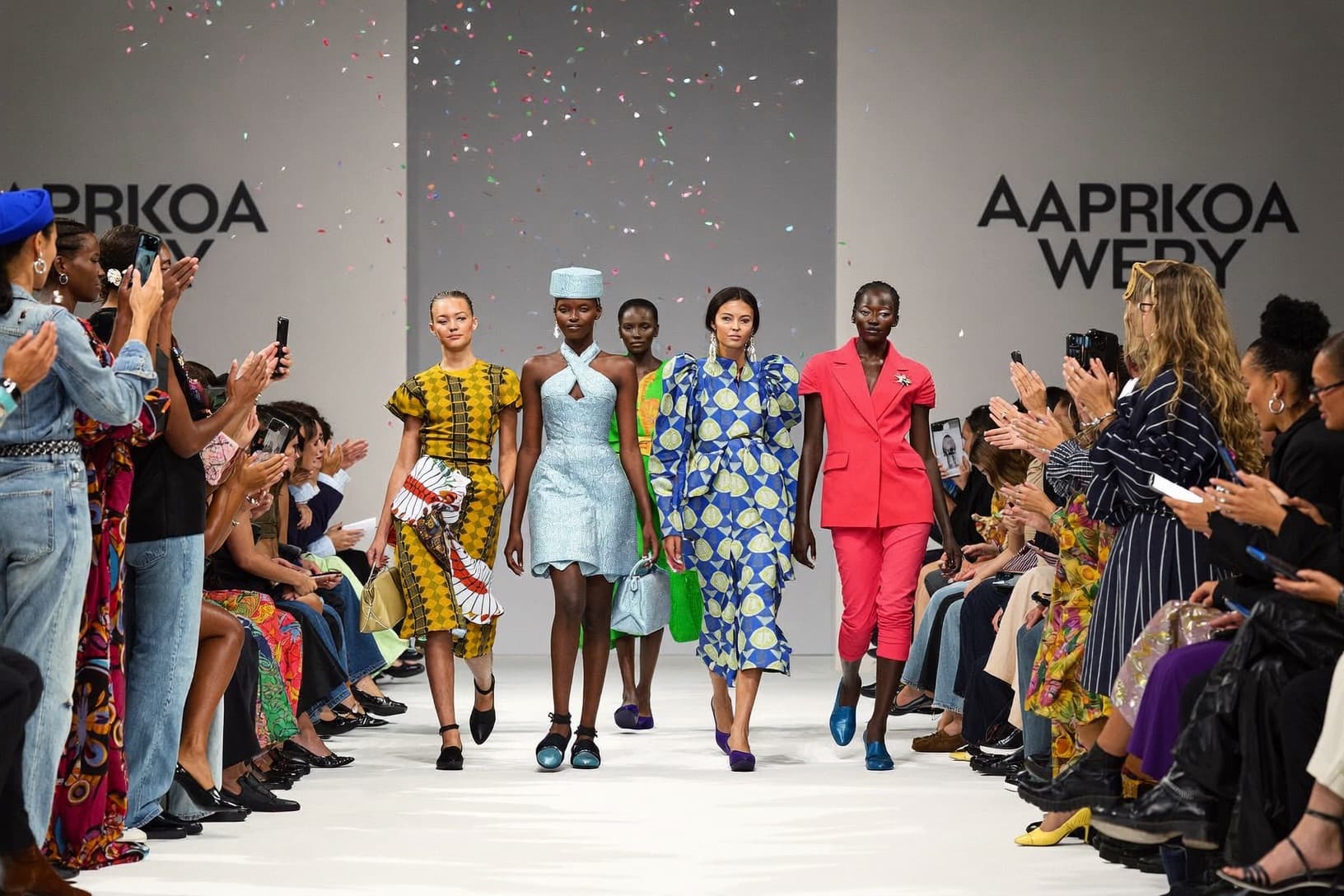
Buyers came for wax print and left placing orders for silk-kente blends.
By Sefi Bello
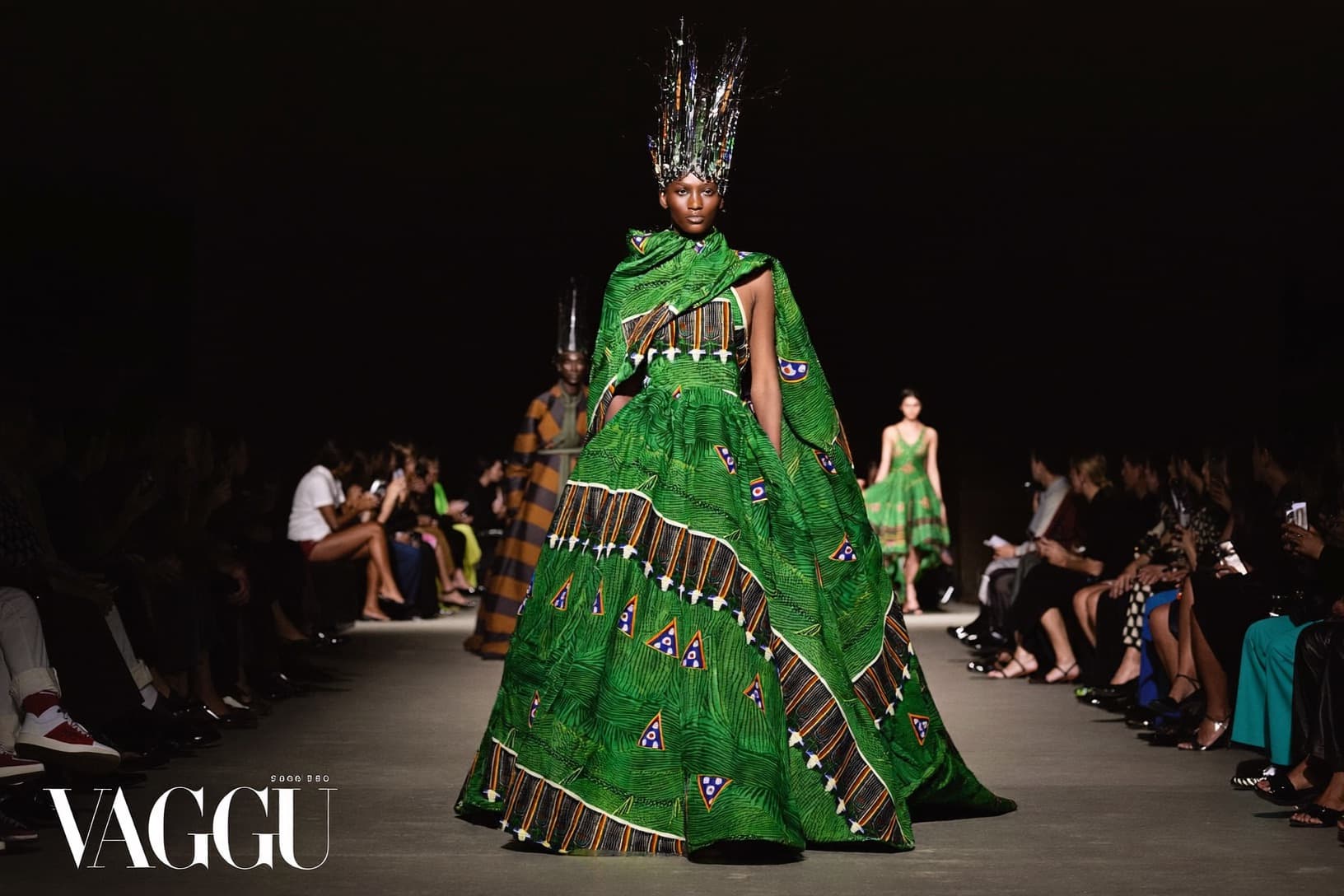
BusinessAug 13
The round will triple the workshop’s output and fund a first flagship in Westlands.
By Zanele Dube
The InterviewAug 13
Femi Aluko built a cult following from a two-room atelier in Surulere. He says the runway can wait.
By Amara Okafor
Thread CountAug 13
Who pays for the tents, the models and the champagne — and who actually profits.
By Yusuf Diallo

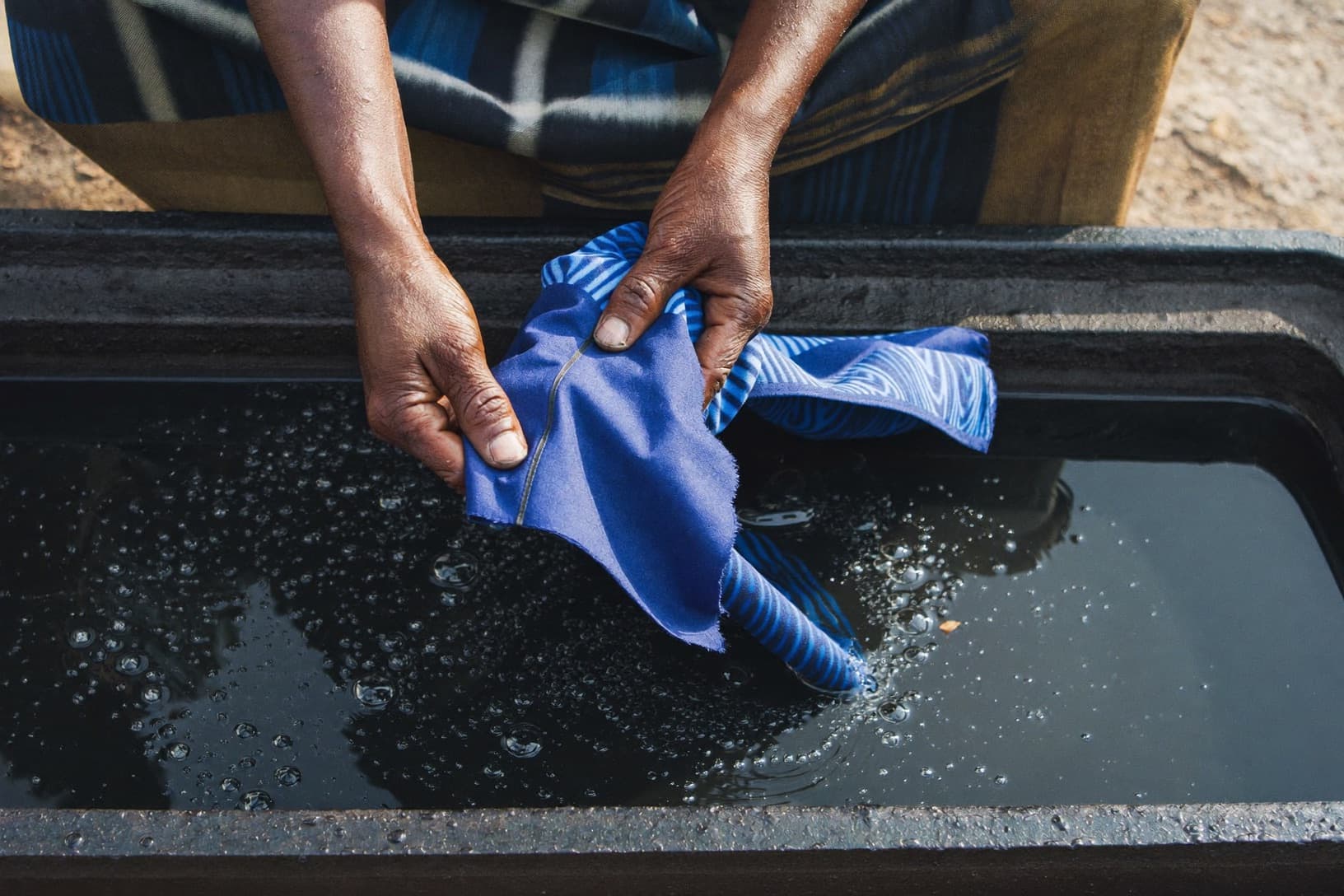
Craft & HeritageAug 12
Demand for hand-dyed indigo has tripled in two years. The dye pits haven’t grown at all.
By Chidera Nwosu
Street StyleAug 12
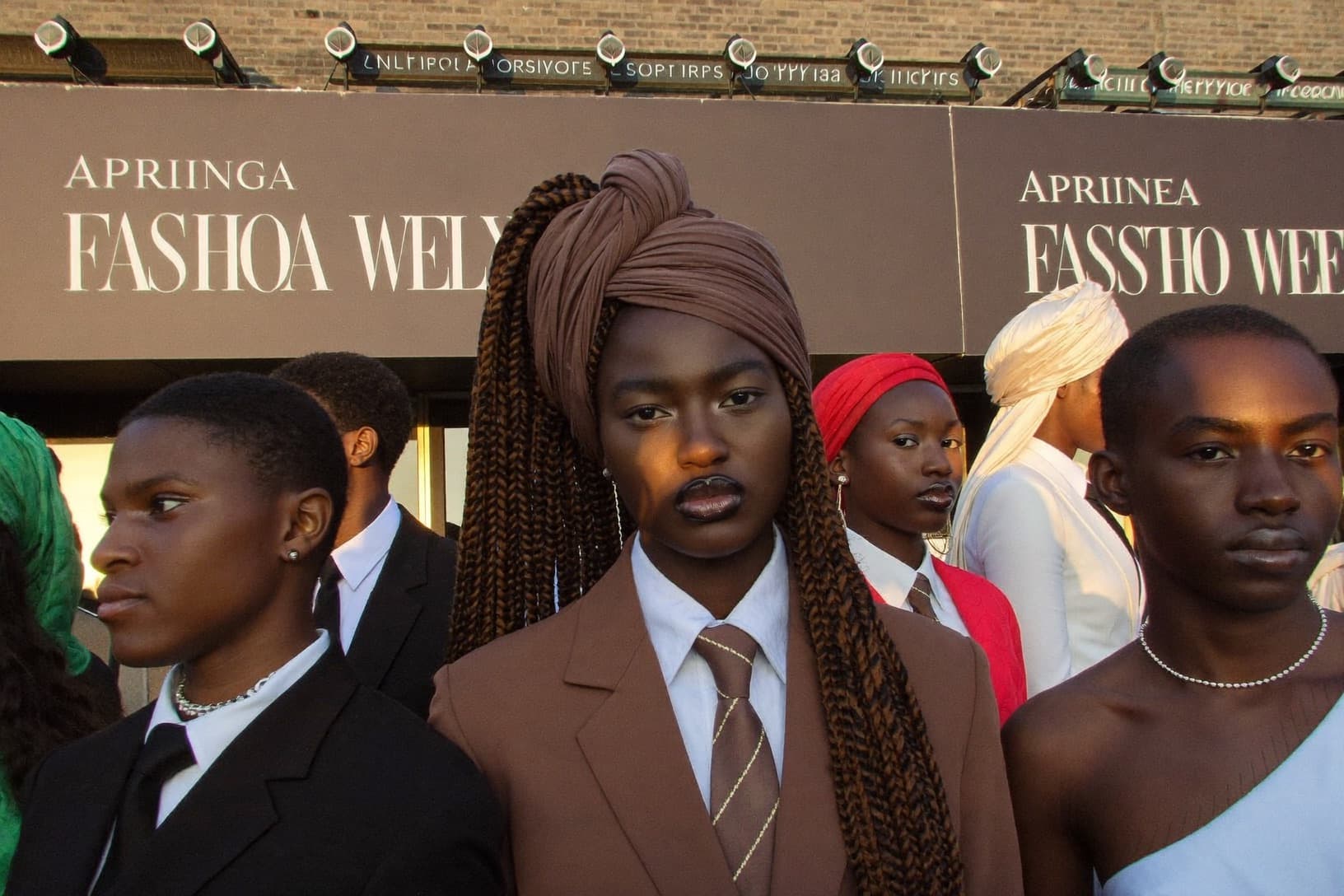
The best looks in Lagos never made it past the venue doors. Our photographers were outside.
By Nadia Mensah
PowerAug 11
Grant budgets doubled in two years. Designers say the checks haven’t.
By Yusuf Diallo
CultureAug 11
Young stylists are trading fast trends for pieces built to be photographed in thirty years.
By Sefi Bello
Runway ReportAug 10
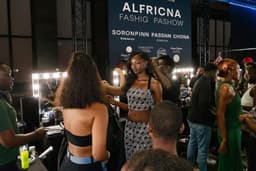
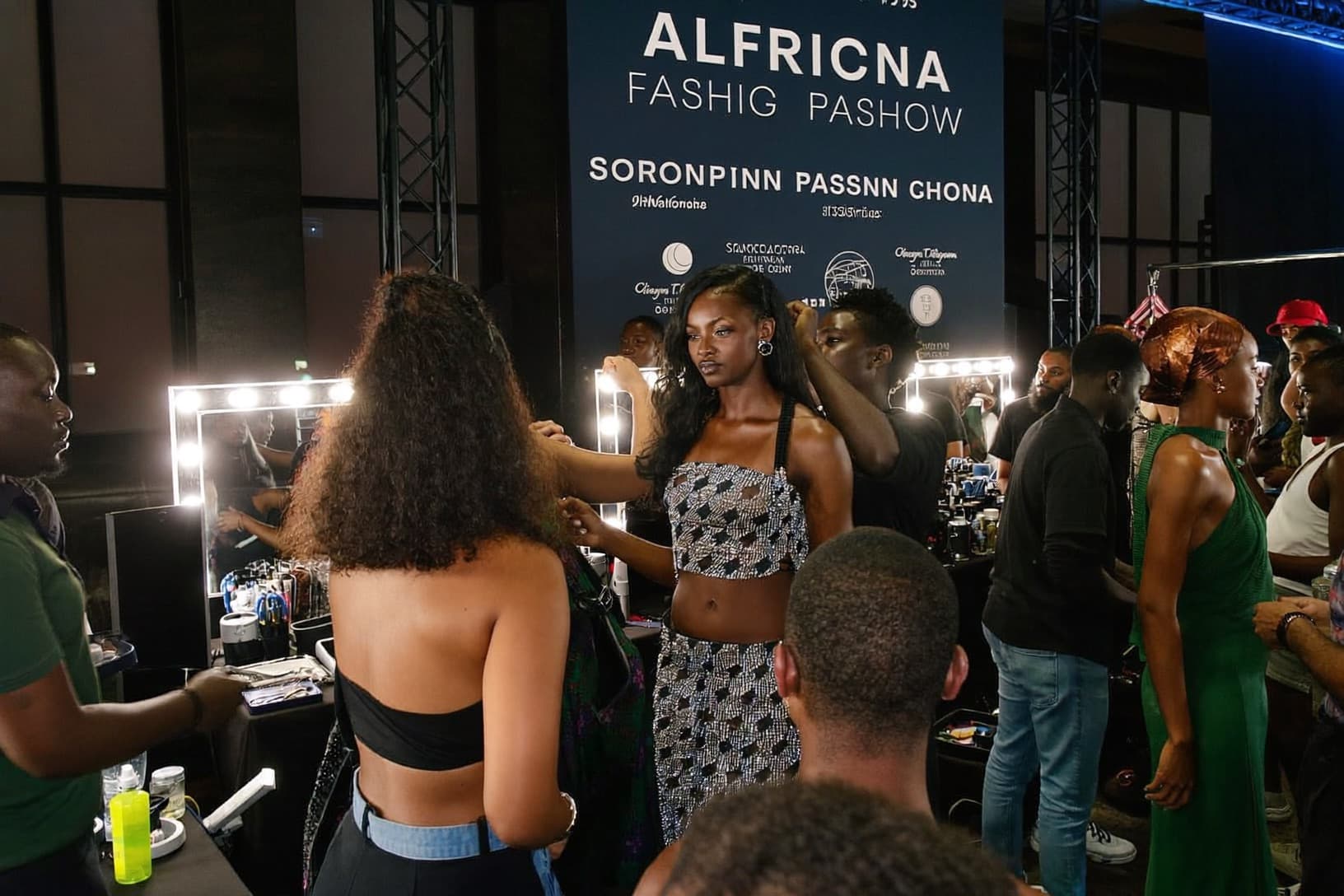
Ninety seconds of controlled chaos — fittings, final pins and a designer’s last look.
By Front Row Staff
BusinessJul 31
Bespoke suiting is a nine-figure business hiding in plain sight.
By Kemi Eze
ExplainerJul 30
Sponsors, schedules and city politics decide more than the clothes do.
By Chidera Nwosu